alex nilsson
← back to work
the viral content system
Going viral once is luck. Going viral consistently is a system. Here's how I built one.

growth experimentation
creative direction
data analysis
context
By mid-2024, Curtsy's organic video was performing... but I couldn't fully explain why. Some videos hit 500K views, others with similar production quality flatlined at 2K. Same team, same effort, completely different results.
That inconsistency bothered me. So I went looking for the pattern.
the approach
Most content teams just... post more. I wanted to actually understand why things worked. So I started treating every video like an experiment- documenting what landed, what flopped, and why.
Over time patterns emerged. Formats that reliably took off, hooks that stopped the scroll, premises that traveled way beyond our existing audience.
The goal was to make going viral feel less like luck, and more like a repeatable formula (or as I like to call it, our ~secret sauce~).

the experiments

post frequency test
(march 2024)
I had a theory: more videos = more chances to go viral. So we doubled our video output to 4 videos a day for a full week. The result? The percentage of videos that went viral stayed exactly the same. More content didn't create more virality, it just created more content. We went back to our normal cadence and reinvested that time into actually studying what was working.
saves competition
(december 2024)
I ran an internal team competition where the only metric that mattered was saves- not views, not likes. Saves mean someone thought "I want to come back to this," which is the closest thing to real intent you can measure on a short-form platform. IG saves jumped 139% month over month. The top-performing videos from that month became the basis for our hook formula going into 2025.
experimental account series
(january 2026)
At the start of 2026, our content team launched eight non-branded TikTok accounts. The hypothesis was that authentic non-brand accounts would outperform the main account for certain content types. They did immediately. 100K+ view weeks right out of the gate. The learnings fed straight back into our main content strategy.
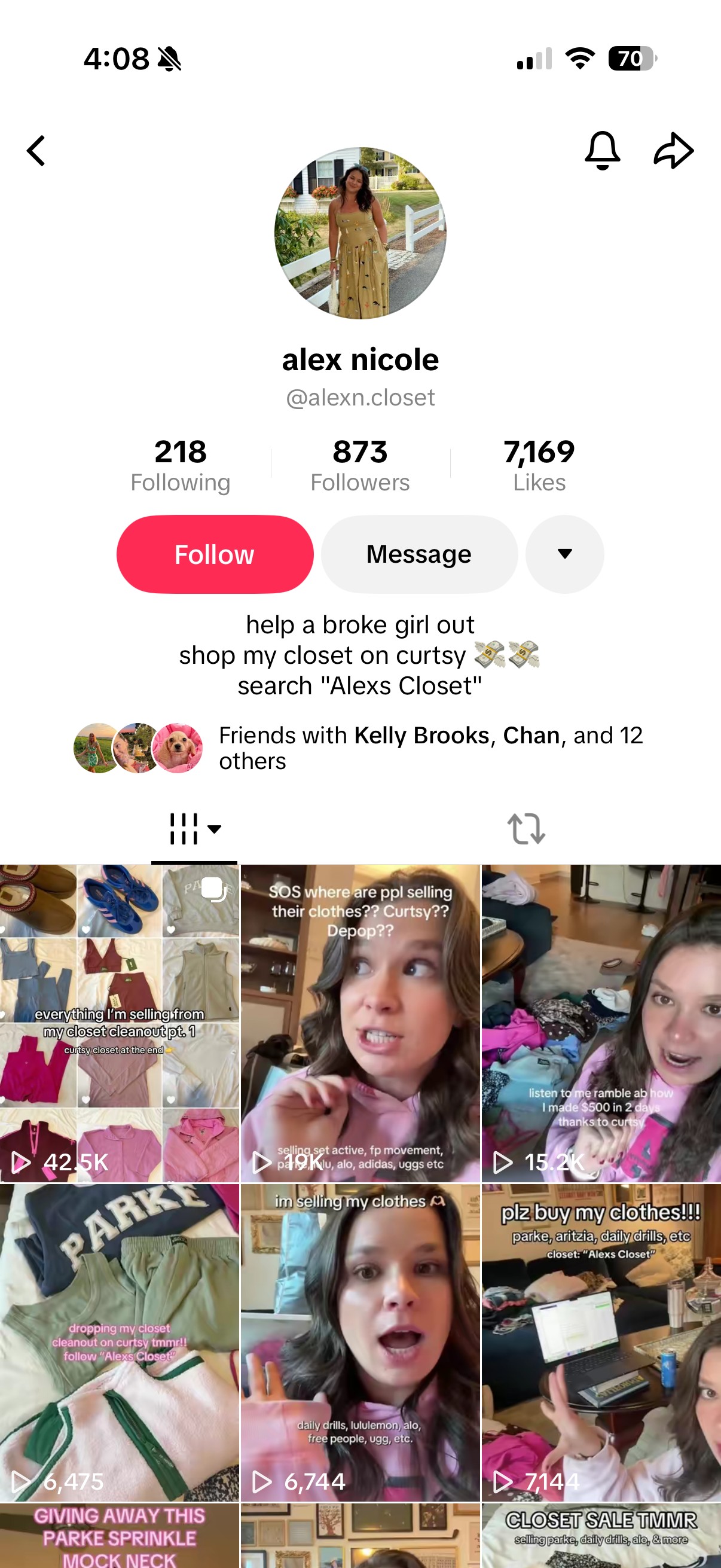
@alexn.closet
93.5K views in 30 days
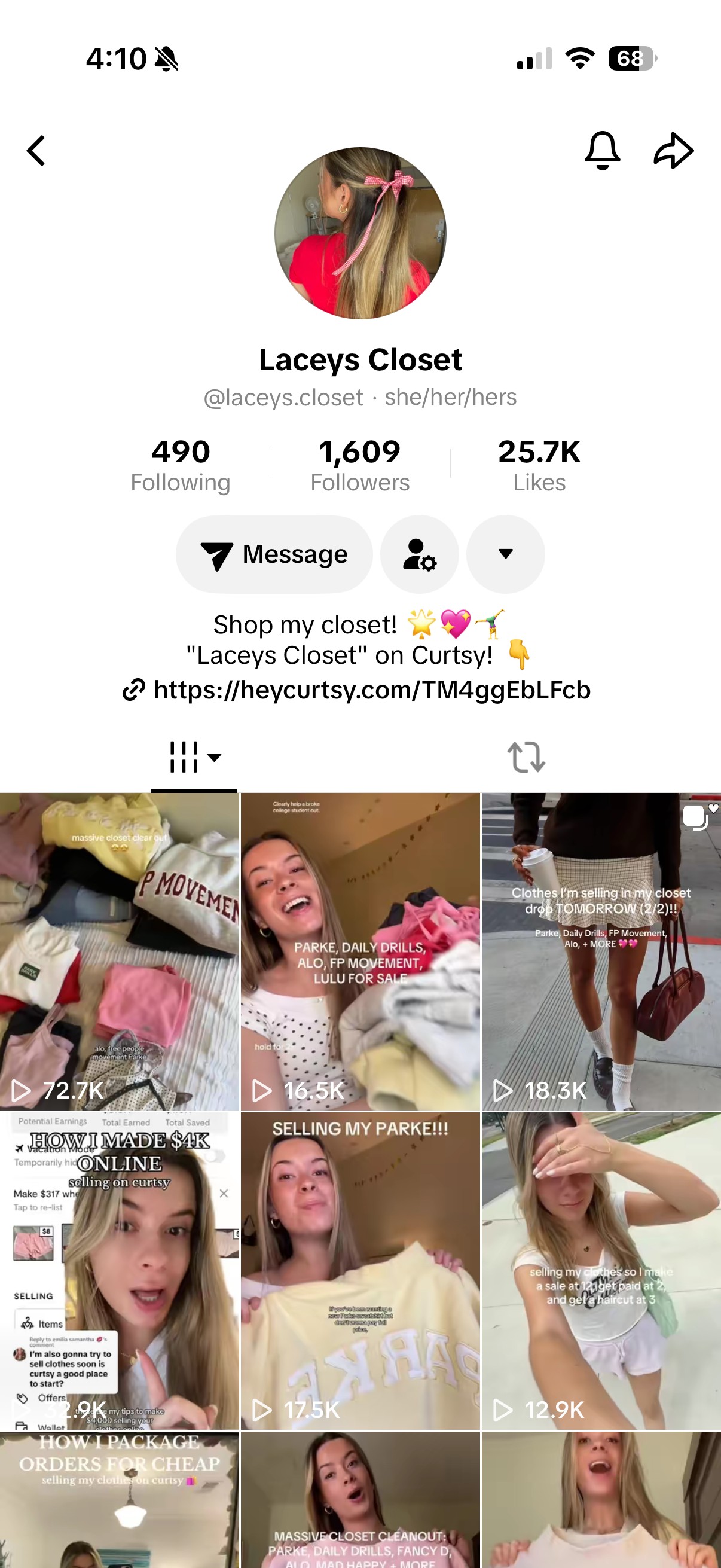
@laceys.closet
152.2K views in 30 days
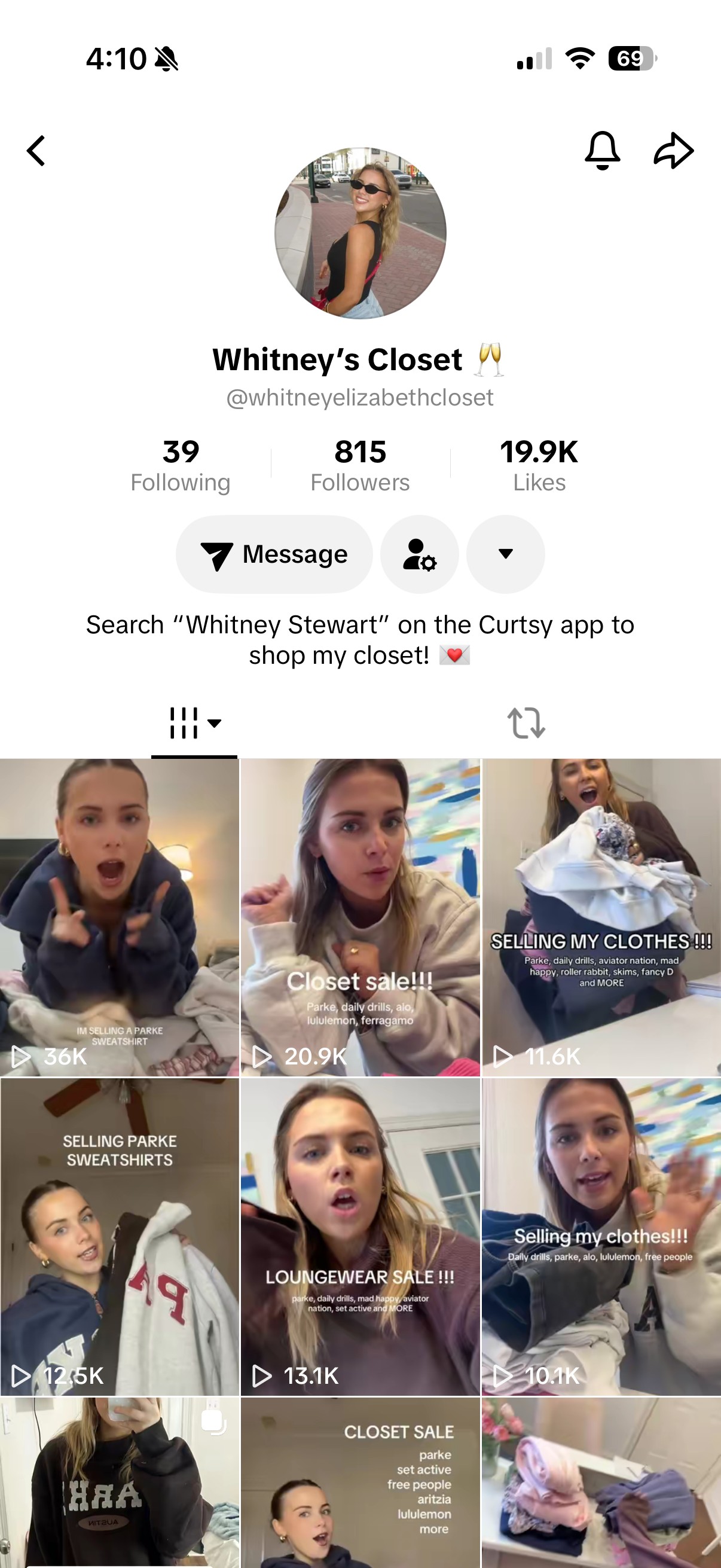
@whitneyelizabethcloset
151.4K views in 30 days
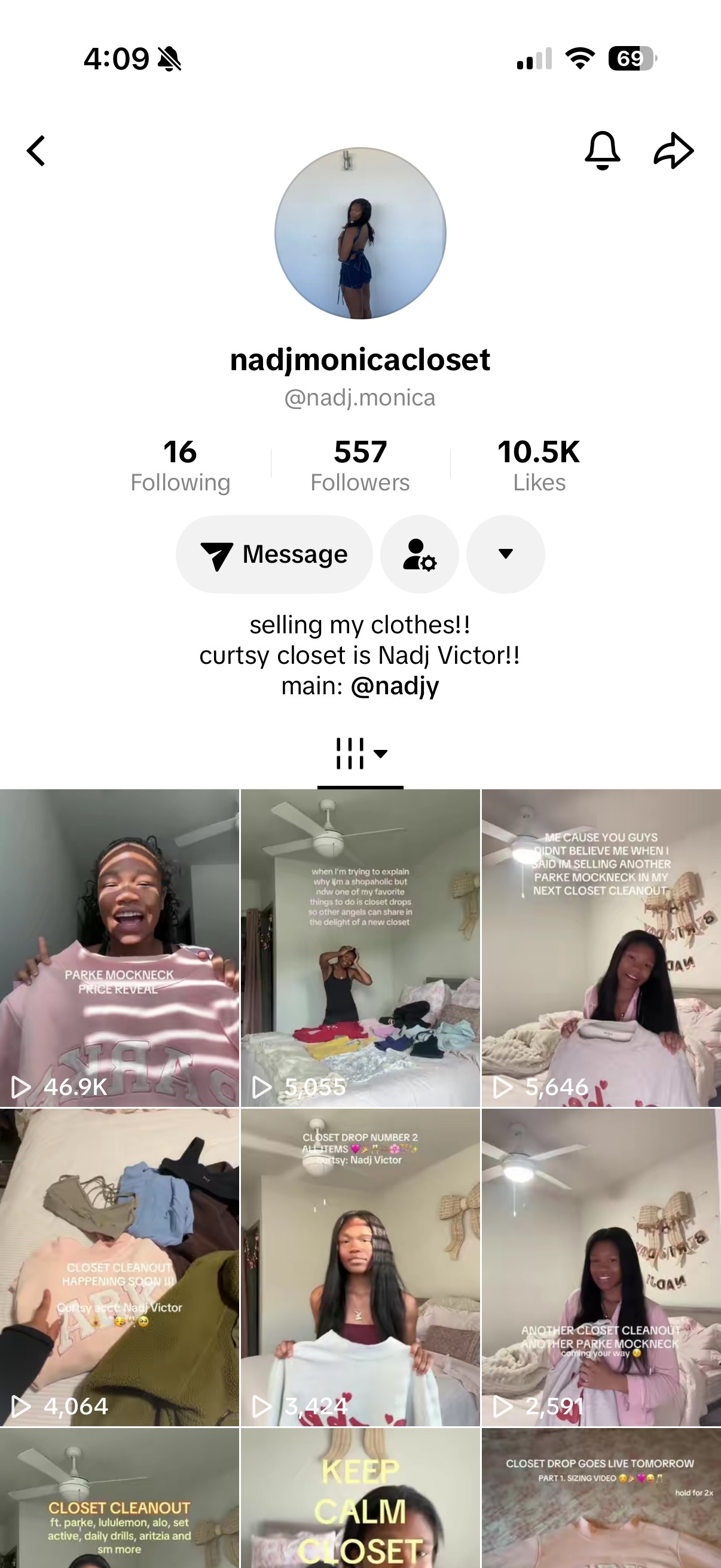
@nadj.monica
74.3 views in 30 days
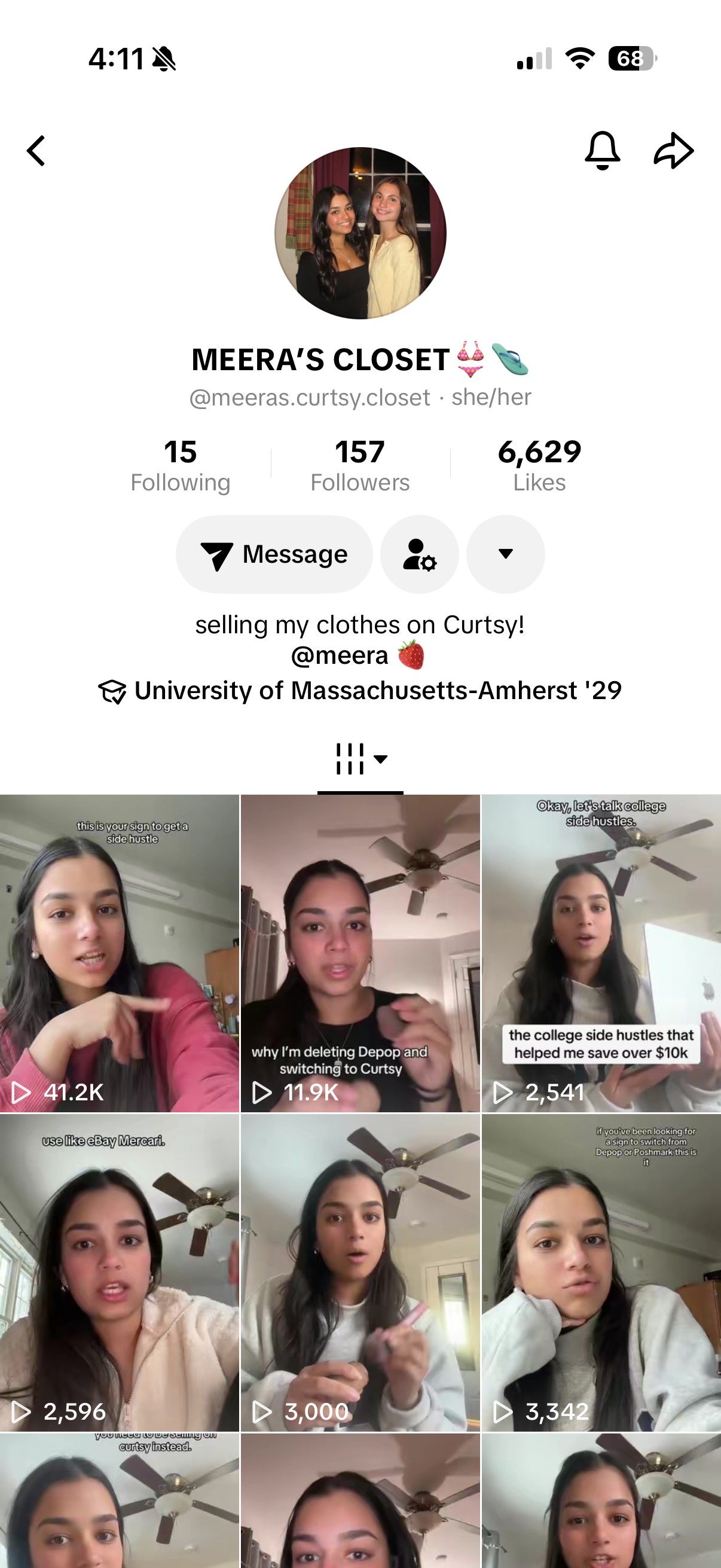
@alexn.closet
94.5K views in 30 days


what I learned
Two things I didn't expect: saves matter way more than views, and failure can be useful if you document it. Views are vanity- saves are intent, not just attention. Once the team started optimizing for saves, everything else followed. And every video that flopped with a clear hypothesis taught us something a one-off viral hit never could.
182K TikTok views • 20K Instagram views
3.9K TikTok interactions • 362 Instagram interactions
538K TikTok views • 226K Instagram views
18.7K TikTok interactions • 9.7K Instagram interactions
337K TikTok views • 221K Instagram views
65.2K TikTok interactions • 23.3K Instagram interactions
the formula
After two years of testing, these were the formats that consistently took off:
- stitches and duets with controversial or surprising takes
- "thrifting [celebrity]'s style" - specific, culturally timed, impossible to ignore
- outfit flat lays with shocking price comparisons
- seller earnings reveals - real numbers, real people, no filter
- Pinterest recreation challenges with specific price points - "I found this entire look on Curtsy for under $50"
The through-line: every video gave the viewer something to share, save, or argue about. If it didn't do at least one of those things, it wasn't ready to post.
Here are just a few of my top performers:
alex nilsson
← back to work
the viral content system
Going viral once is luck. Going viral consistently is a system. Here's how I built one.

growth experimentation
creative direction
data analysis
context
By mid-2024, Curtsy's organic video was performing... but I couldn't fully explain why. Some videos hit 500K views, others with similar production quality flatlined at 2K. Same team, same effort, completely different results.
That inconsistency bothered me. So I went looking for the pattern.

the approach
Most content teams just... post more. I wanted to actually understand why things worked. So I started treating every video like an experiment- documenting what landed, what flopped, and why.
Over time patterns emerged. Formats that reliably took off, hooks that stopped the scroll, premises that traveled way beyond our existing audience.
The goal was to make going viral feel less like luck, and more like a repeatable formula (or as I like to call it, our ~secret sauce~).
the experiments

post frequency test
(march 2024)
I had a theory: more videos = more chances to go viral. So we doubled our video output to 4 videos a day for a full week. The result? The percentage of videos that went viral stayed exactly the same. More content didn't create more virality, it just created more content. We went back to our normal cadence and reinvested that time into actually studying what was working.
saves competition
(december 2024)
I ran an internal team competition where the only metric that mattered was saves- not views, not likes. Saves mean someone thought "I want to come back to this," which is the closest thing to real intent you can measure on a short-form platform. IG saves jumped 139% month over month. The top-performing videos from that month became the basis for our hook formula going into 2025.
experimental account series
(january 2026)
At the start of 2026, our content team launched eight non-branded TikTok accounts. The hypothesis was that authentic non-brand accounts would outperform the main account for certain content types. They did immediately. 100K+ view weeks right out of the gate. The learnings fed straight back into our main content strategy.
@alexn.closet
93.5K views in 30 days
@laceys.closet
152.2K views in 30 days
@whitneyelizabethcloset
151.4K views in 30 days
@nadj.monica
74.3 views in 30 days
@alexn.closet
94.5K views in 30 days
what I learned
Two things I didn't expect: saves matter way more than views, and failure can be useful if you document it. Views are vanity- saves are intent, not just attention. Once the team started optimizing for saves, everything else followed. And every video that flopped with a clear hypothesis taught us something a one-off viral hit never could.
182K TikTok views • 20K Instagram views
3.9K TikTok interactions • 362 Instagram interactions
538K TikTok views • 226K Instagram views
18.7K TikTok interactions • 9.7K Instagram interactions
337K TikTok views • 221K Instagram views
65.2K TikTok interactions • 23.3K Instagram interactions
the formula
After two years of testing, these were the formats that consistently took off:
- stitches and duets with controversial or surprising takes
- "thrifting [celebrity]'s style" - specific, culturally timed, impossible to ignore
- outfit flat lays with shocking price comparisons
- seller earnings reveals - real numbers, real people, no filter
- Pinterest recreation challenges with specific price points - "I found this entire look on Curtsy for under $50"
The through-line: every video gave the viewer something to share, save, or argue about. If it didn't do at least one of those things, it wasn't ready to post.
Here are just a few of my top performers:
← back to work
the viral content system
Going viral once is luck. Going viral consistently is a system. Here's how I built one.

growth experimentation
creative direction
data analysis
context
By mid-2024, Curtsy's organic video was performing... but I couldn't fully explain why. Some videos hit 500K views, others with similar production quality flatlined at 2K. Same team, same effort, completely different results.
That inconsistency bothered me. So I went looking for the pattern.

the approach
Most content teams just... post more. I wanted to actually understand why things worked. So I started treating every video like an experiment- documenting what landed, what flopped, and why.
Over time patterns emerged. Formats that reliably took off, hooks that stopped the scroll, premises that traveled way beyond our existing audience.
The goal was to make going viral feel less like luck, and more like a repeatable formula (or as I like to call it, our ~secret sauce~).
the experiments

post frequency test
(march 2024)
I had a theory: more videos = more chances to go viral. So we doubled our video output to 4 videos a day for a full week. The result? The percentage of videos that went viral stayed exactly the same. More content didn't create more virality, it just created more content. We went back to our normal cadence and reinvested that time into actually studying what was working.
saves competition
(december 2024)
I ran an internal team competition where the only metric that mattered was saves- not views, not likes. Saves mean someone thought "I want to come back to this," which is the closest thing to real intent you can measure on a short-form platform. IG saves jumped 139% month over month. The top-performing videos from that month became the basis for our hook formula going into 2025.
experimental account series
(january 2026)
At the start of 2026, our content team launched eight non-branded TikTok accounts. The hypothesis was that authentic non-brand accounts would outperform the main account for certain content types. They did immediately. 100K+ view weeks right out of the gate. The learnings fed straight back into our main content strategy.
@alexn.closet
93.5K views in 30 days
@laceys.closet
152.2K views in 30 days
@whitneyelizabethcloset
151.4K views in 30 days
@nadj.monica
74.3 views in 30 days
@alexn.closet
94.5K views in 30 days


what I learned
Two things I didn't expect: saves matter way more than views, and failure can be useful if you document it. Views are vanity- saves are intent, not just attention. Once the team started optimizing for saves, everything else followed. And every video that flopped with a clear hypothesis taught us something a one-off viral hit never could.
182K TikTok views • 20K Instagram views
3.9K TikTok interactions • 362 Instagram interactions
538K TikTok views • 226K Instagram views
18.7K TikTok interactions • 9.7K Instagram interactions
337K TikTok views • 221K Instagram views
65.2K TikTok interactions • 23.3K Instagram interactions
the formula
After two years of testing, these were the formats that consistently took off:
- stitches and duets with controversial or surprising takes
- "thrifting [celebrity]'s style" - specific, culturally timed, impossible to ignore
- outfit flat lays with shocking price comparisons
- seller earnings reveals - real numbers, real people, no filter
- Pinterest recreation challenges with specific price points - "I found this entire look on Curtsy for under $50"